Enhancing Visual Communication with Decorative Text Dividers: The Strategic Use of Floral Elements
Visual communication is more than just aesthetics—it’s about clarity, structure, and emotional resonance. In design, especially within invitations, greeting cards, and digital layouts, Decorative Text Dividers Floral Elements offer a refined way to guide the reader’s eye and elevate the overall tone of the content. These ornamental flourishes, available in scalable formats like AI, EPS, SVG, and PNG, are not just decorative; they are tools for intentional design that support branding, readability, and creative cohesion.
What Are Decorative Text Dividers with Floral Elements?
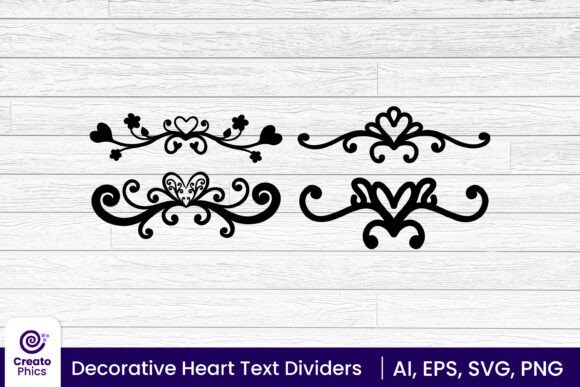
Decorative Text Dividers Floral Elements are vector-based design assets that serve as elegant separators between sections of text or visual content. Designed with intricate floral motifs and ornamental lines, they bring a touch of sophistication to any layout. Whether used in print or digital media, these dividers help create a sense of rhythm and flow, making the content more digestible and visually appealing.
Each set typically includes multiple files—AI, EPS, SVG, and PNG—all sized at 12 inches by 12 inches, ensuring compatibility across design platforms and scalability without loss of quality. This flexibility makes them ideal for a wide range of creative and professional applications, from wedding stationery to blog layouts and marketing materials.
Why Strategic Design Matters
In today’s content-saturated world, standing out requires more than just good writing or strong visuals—it requires intentionality. Thoughtful integration of Decorative Text Dividers Floral Elements can support a broader design strategy by reinforcing brand identity, enhancing user experience, and organizing information in a way that aligns with your communication goals.
For example, a wedding planner designing a suite of stationery can use these dividers to maintain a cohesive theme across save-the-dates, invitations, and thank-you cards. Similarly, a blogger or content creator can use them to segment article sections, improving readability and engagement without compromising on style.
When to Use Decorative Text Dividers
These elements are most effective when used in contexts where visual hierarchy and aesthetic appeal are key. Consider using Decorative Text Dividers Floral Elements in:
- Wedding invitations and event stationery
- Scrapbooking and handmade cards
- Blog post layouts and editorial design
- Marketing materials and branded content
- Print-on-demand products like planners and journals
They are particularly valuable in projects where a soft, elegant, or vintage-inspired aesthetic is desired. However, their use should always be aligned with the intended tone and purpose of the design. Overuse or misapplication can lead to visual clutter and diminished impact.
Planning Your Use of Text Dividers
Before incorporating Decorative Text Dividers Floral Elements into your design, consider the following strategic questions:
- What is the primary purpose of the design? Is it to inform, inspire, or persuade?
- Who is the target audience? Does the floral motif align with their preferences and expectations?
- How will the divider enhance the layout? Does it separate key sections or highlight important content?
- What file format is most appropriate for the intended use (print vs. digital)?
By answering these questions, you ensure that your use of text dividers supports your broader design and communication goals rather than being a purely decorative afterthought.
Design Tips for Maximum Impact
Here are some practical ways to integrate Decorative Text Dividers Floral Elements effectively:
- Match the theme: Choose a divider that complements the overall style of your project—vintage, modern, rustic, or minimalist.
- Use consistent spacing: Ensure there’s enough white space around the divider to let it breathe and guide the reader’s eye smoothly.
- Align with typography: Coordinate the divider’s style with your font choices to maintain visual harmony.
- Limit repetition: Use the same divider consistently throughout a document or series to build visual continuity without overusing it.
- Test in context: Preview the divider in both color and black-and-white to ensure it remains effective across different viewing conditions.
The Risks of Unintentional Design
While Decorative Text Dividers Floral Elements can elevate a design, they can also detract from it if used without purpose. Common pitfalls include:
- Overloading the layout with too many dividers, which can confuse the visual hierarchy.
- Mismatching the divider’s style with the project’s tone, leading to inconsistency.
- Using low-resolution images in print, which results in pixelation and poor quality.
- Ignoring accessibility considerations, such as contrast and readability, especially in digital formats.
To avoid these issues, always approach design elements with a clear objective and test their impact within the full context of your project.
Customization and Scalability: Key Advantages
One of the greatest strengths of Decorative Text Dividers Floral Elements is their adaptability. Because they come in vector formats like AI and SVG, they can be resized infinitely without losing quality. This makes them suitable for both small-scale digital use and large-format print applications. Additionally, you can recolor or modify the elements to align with brand colors or seasonal themes, adding a personalized touch without starting from scratch.
For professionals and hobbyists alike, this level of customization means greater flexibility and efficiency in design workflows. Whether you're preparing a client proposal or crafting a personal invitation, the ability to tailor these dividers ensures your design remains both unique and functional.
Long-Term Value in Creative and Professional Work
Investing in high-quality design assets like Decorative Text Dividers Floral Elements is not just about immediate visual appeal—it’s about building a toolkit that supports long-term creativity and efficiency. These elements can be reused across multiple projects, saving time while maintaining a polished look. They also help establish a consistent visual language, which is especially important for brands and content creators who rely on strong, recognizable aesthetics.
By integrating these dividers into your design process with intention and care, you’re not just beautifying your content—you’re enhancing communication, reinforcing brand identity, and improving user experience. That’s the power of strategic design.