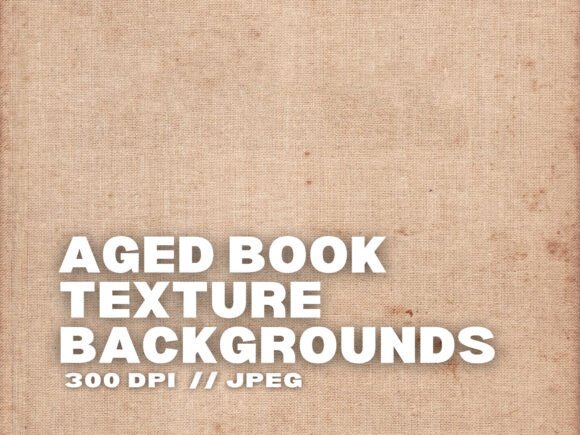
Aged Book Textures for Creative Design Projects
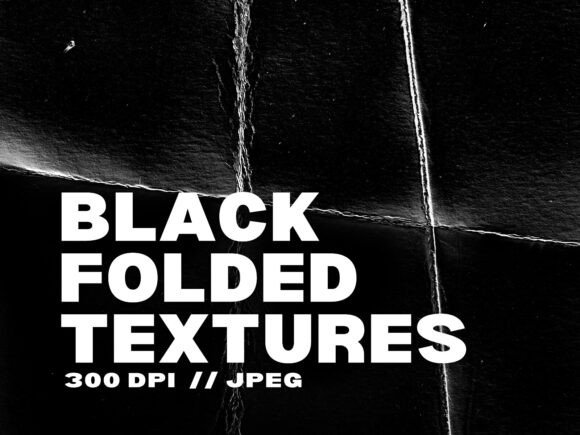
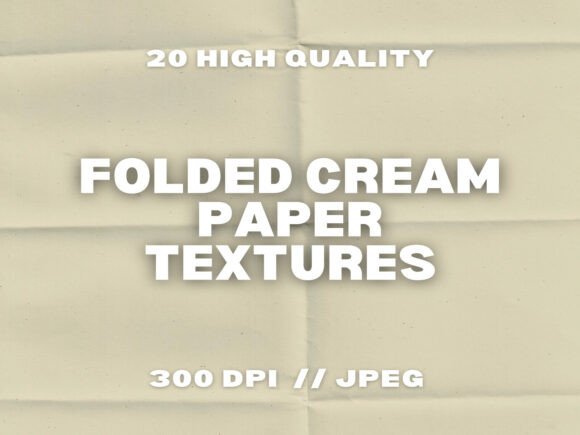
For designers seeking to infuse authenticity and historical depth into their visual work, 10 Aged Book Texture Backgrounds offer a compelling solution. These high-resolution, 300 DPI JPG files replicate the intricate textures of antique paper, vintage book pages, and aged parchment, making them ideal for both print and digital design applications. Whether you're crafting a brand identity, designing editorial layouts, or enhancing digital marketing assets, these textures bring a tactile, timeless quality that resonates with audiences on an emotional level.
Enhancing Brand Identity with Vintage Aesthetics
In branding, visual consistency and emotional resonance are key. The 10 Aged Book Texture Backgrounds provide a unique opportunity to create a nostalgic tone that aligns with heritage brands, artisanal businesses, or luxury editorial projects. When used in logo design or brand collateral, these textures can subtly reinforce a brand’s story—suggesting tradition, craftsmanship, or intellectual depth. Pairing these textures with clean typography and a muted color palette enhances legibility while preserving the vintage charm.
Practical Applications Across Design Disciplines
These textures are versatile enough to be integrated into a wide range of creative projects. Here are a few key use cases:
- Graphic design: Use as backgrounds for posters, invitations, and branding materials to add depth and character.
- Social media graphics: Introduce a vintage filter effect to Instagram posts or Pinterest boards for a cohesive, curated look.
- Web and UI design: Apply as subtle background overlays in hero sections or call-to-action buttons to evoke a sense of history.
- Packaging design: Incorporate into label or box designs for artisanal products, books, or limited edition merchandise.
Design Tips for Optimal Use
When integrating vintage book texture backgrounds into your workflow, consider the following best practices:
- Balance contrast: Ensure text or key design elements remain legible against textured backgrounds.
- Maintain scalability: Use high-resolution files to preserve quality across both digital and print formats.
- Align with brand tone: Choose textures that reflect your brand’s personality—whether refined, rustic, or romantic.
- Layer strategically: Combine with modern design elements like flat icons or minimalist typography to create visual contrast and interest.
These textures also work exceptionally well in editorial design. Magazines, newsletters, and book covers benefit from the added depth and tactile quality they provide. When designing for print, ensure the file size is appropriate for large-format output to maintain clarity and detail.
Supporting Visual Hierarchy and User Experience
In both web and print design, visual hierarchy determines how users interact with content. By using aged book texture backgrounds selectively—such as in headers, dividers, or callout boxes—you can guide the viewer’s eye and emphasize key messaging. In UI design, subtle texture overlays can differentiate sections without overwhelming the interface. Similarly, in presentations or digital marketing assets, these textures can enhance storytelling by grounding modern visuals in a historical context.
For digital marketers and content creators, leveraging these textures can elevate the perceived value of downloadable content, landing pages, or branded printables. Their high-resolution format ensures professional results whether used in digital marketing campaigns or luxury packaging design.
In a design landscape where authenticity and emotional connection are increasingly valued, 10 Aged Book Texture Backgrounds offer more than just aesthetic appeal—they serve as a bridge between modern design and historical craftsmanship. When used thoughtfully, they can enrich visual communication, support brand storytelling, and elevate the overall quality of creative work across disciplines.