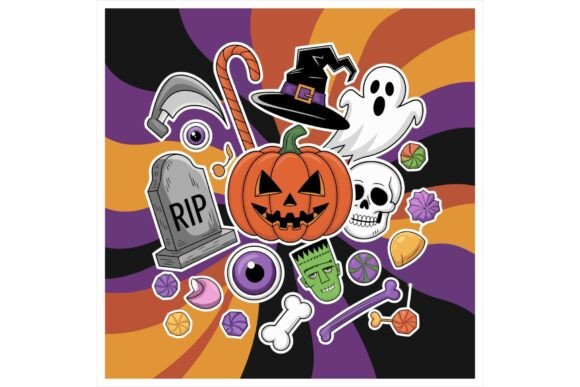
Strategic Uses of Art of Halloween Elements SVG for Creative and Commercial Projects
Designers, marketers, and entrepreneurs are increasingly turning to digital assets that offer both aesthetic appeal and strategic flexibility. The Art of Halloween Elements SVG is one such resource that blends visual richness with practical usability. This collection of scalable vector graphics, including EPS files at 300 DPI, is designed to support a wide range of creative and commercial applications—from apparel and home decor to branding and digital communication.
At its core, the Art of Halloween Elements SVG provides a toolkit for creating immersive, thematic visuals that resonate with audiences drawn to mystical, fantasy, and witchy aesthetics. Whether you're designing a line of seasonal merchandise or crafting a brand identity for a niche market, this asset pack offers a foundation that can be adapted across formats without loss of quality.
Why the Art of Halloween Elements SVG Matters for Strategic Design
In today’s visually driven market, consistency and clarity in visual communication are essential. The Art of Halloween Elements SVG allows creators to maintain high-quality visuals while ensuring adaptability across platforms. Because SVG files are resolution-independent, they scale seamlessly from small product prints to large-format wall art, making them ideal for multi-channel branding strategies.
For entrepreneurs and small business owners, this means being able to develop a cohesive look across merchandise, packaging, and digital presence without needing to commission custom illustrations for each format. The transparent EPS files included in the pack further enhance usability, enabling clean integration into layered designs and print-ready layouts.
Planning for Long-Term Use and Brand Alignment
While the immediate appeal of Halloween-themed graphics is strong, especially around seasonal marketing campaigns, the real value of the Art of Halloween Elements SVG lies in how it can be leveraged for long-term brand expression. Designers should consider how these elements align with the brand’s visual language and whether they can be adapted beyond seasonal use.
For instance, tarot-inspired motifs or gothic typography from the pack can be subtly integrated into a brand’s visual identity, lending a sense of mystery and depth that appeals to audiences interested in mysticism or fantasy. When used thoughtfully, these elements can become part of a brand’s visual shorthand—recognizable and emotionally resonant.
- Consider the brand’s color palette and how SVG elements can complement or contrast it.
- Evaluate how elements can be repurposed across different product types (e.g., mugs, tote bags, digital illustrations).
- Assess the long-term relevance of the design motifs beyond Halloween.
Practical Applications Across Industries
The versatility of the Art of Halloween Elements SVG makes it suitable for a wide range of applications. Here are a few strategic use cases:
- Apparel and Merchandise: From T-shirts to tote bags, the SVG files allow for crisp, scalable prints that maintain quality across fabric types and print methods.
- Home Decor and Wall Art: These graphics can be used to create digital prints for seasonal home decor or as part of curated wall art collections targeting niche markets.
- Scrapbooking and Greeting Cards: The detailed illustrations and transparent backgrounds make them ideal for layered paper projects and personalized card designs.
- Branding and Logo Design: For brands with a mystical or fantasy theme, elements from the pack can be integrated into logos, icons, and supporting visual assets.
- Digital Projects and Web Design: SVGs are ideal for responsive web design, allowing for interactive and animated elements that load quickly and scale cleanly.
How to Approach Integration Strategically
Using the Art of Halloween Elements SVG effectively requires more than just downloading and placing graphics. Strategic integration involves planning, alignment with brand goals, and a clear understanding of audience expectations. Begin by asking:
- What is the core message or emotional tone we want to convey?
- How do these elements support that message across different formats?
- Can we adapt these visuals to maintain relevance beyond the Halloween season?
For example, if you're launching a line of fantasy-themed journals or planner inserts, integrating SVG elements like arcane symbols or mystical borders can help create a consistent visual theme that appeals to fans of tarot and folklore. The same elements can be used in digital marketing assets, such as social media posts or email newsletters, reinforcing brand recognition.
When to Use It and When to Rethink
The Art of Halloween Elements SVG is best suited for projects that benefit from a touch of the eerie, the magical, or the mysterious. However, not every brand or product will align with these aesthetics. Using these graphics without a clear strategic purpose can lead to visual clutter or misalignment with audience expectations.
Consider the following before incorporating these elements:
- Does the design theme support the brand’s identity or distract from it?
- Are the graphics being used to enhance storytelling or simply to fill space?
- Is there a risk of over-saturation or trend fatigue?
If the answer to any of these questions leans toward uncertainty, it may be worth reevaluating the role of these elements in your design strategy. Remember, visual assets should serve a functional purpose—whether that’s enhancing brand recall, supporting messaging, or improving user experience.
Creating Value Through Intentional Use
One of the key benefits of SVG files is their flexibility. Unlike raster images, which lose quality when scaled, SVGs remain sharp and clean at any size. This makes them ideal for both print and digital use. However, this flexibility should be matched with intentionality in design decisions.
For instance, when creating merchandise like mugs or apparel, designers should consider how the SVG elements will translate to different materials and printing techniques. Similarly, in digital applications, SVGs can be animated or manipulated using CSS, opening up creative possibilities for interactive web projects.
Intentional use also means avoiding generic applications. Instead of applying a witch silhouette simply because it’s available, consider how it supports the narrative or emotional tone of the project. Does it evoke mystery? Whimsy? Rebellion? Aligning the visual tone with the intended message enhances the effectiveness of the design.
Common Pitfalls and How to Avoid Them
Even high-quality design assets can fall flat when used without strategy. One common mistake is relying too heavily on pre-made graphics without customization. While the Art of Halloween Elements SVG offers a strong starting point, it’s important to adapt these visuals to fit your brand’s unique voice and audience.
Another risk is using Halloween-themed elements outside of their natural context. While they can be reimagined for broader use, forcing them into projects that don’t align with the aesthetic can confuse your audience and dilute your brand message.
To avoid these pitfalls:
- Customize SVG elements to match your brand’s color scheme and style guide.
- Test designs across multiple formats to ensure consistency and clarity.
- Use these graphics as part of a broader visual strategy rather than standalone assets.
By treating the Art of Halloween Elements SVG as a tool rather than a shortcut, you’ll be better positioned to create designs that resonate and deliver long-term value.
Final Thoughts: Designing with Purpose
The Art of Halloween Elements SVG is more than just a collection of seasonal graphics—it's a versatile design resource that, when used strategically, can support a wide range of creative and commercial goals. From enhancing brand storytelling to enabling scalable production of merchandise and digital assets, this toolkit offers real value for designers and entrepreneurs alike.
However, the key to success lies in intentional application. Whether you're launching a new product line, building a brand identity, or creating seasonal content, take the time to plan how these elements will serve your broader objectives. By doing so, you’ll not only create more compelling visuals—you’ll also build a stronger, more cohesive brand presence that resonates with your audience long after Halloween has passed.